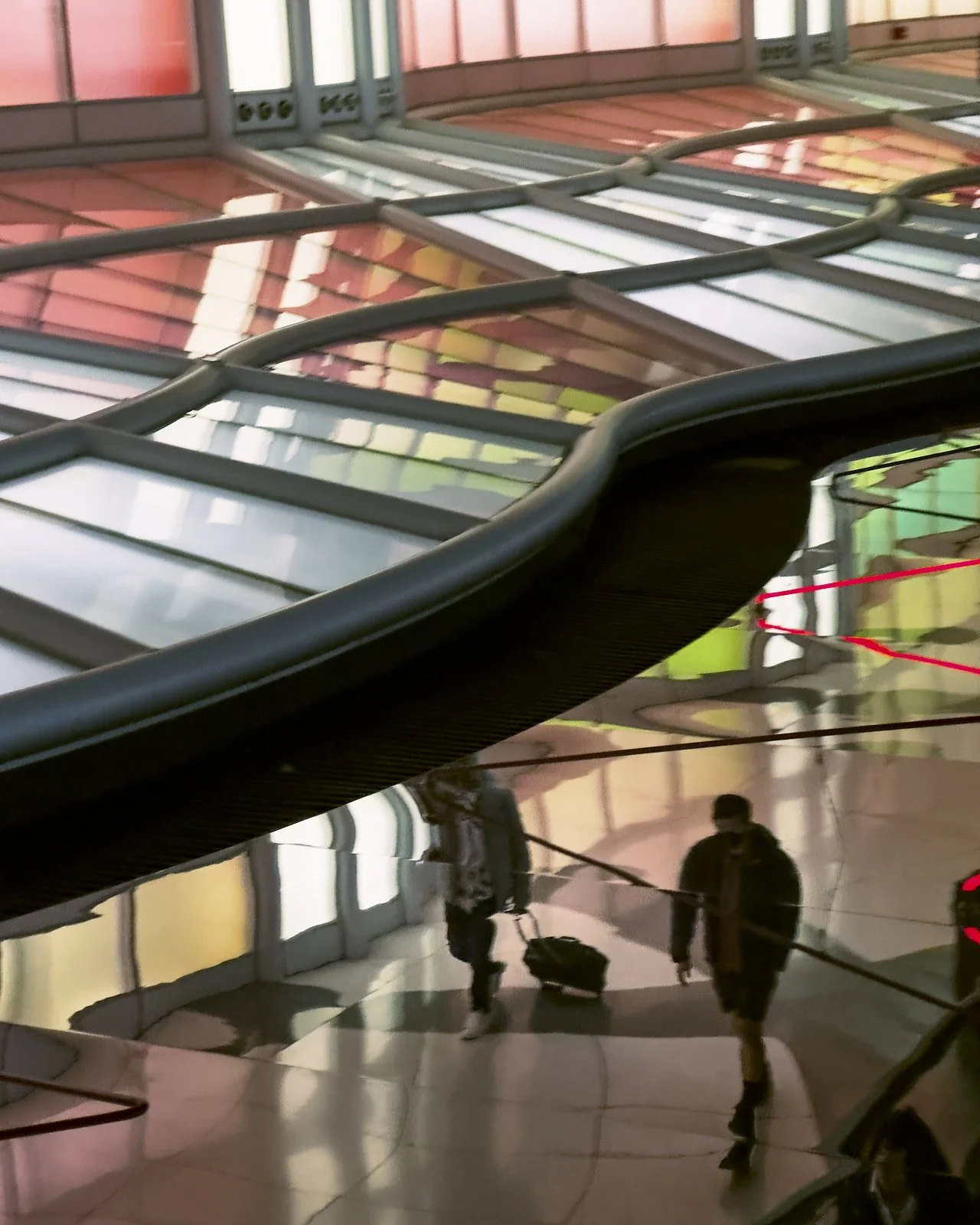
“In Between and Upside Down.” Taken with an iPhone
Photography is an interesting art form. Everyone has a camera with them and is able to take shots using their phone. Before that, people used Polaroids, Instamatics, and Brownies to capture the everyday scenes around them. I had an Instamatic as kid and used that to capture images until I could afford to get my own 35 mm SLR. At that time I had felt that I have arrived, that I now had a “serious” camera and so could take “serious” images.
Here’s the thing, you don’t need a “serious” camera to make art. Any camera will do as long as you can use it to capture and present your vision and the feeling it evokes. Creating the image, that’s all in the artist, not in their tools.
I bring this up because I often hear all sorts of silly things from both artists and non-artists that take agency away from the creator. Dealing with the non-artist first since I started with discussing the type of camera. Often I will take a picture and show it to someone on the camera and they will say something to the effect, “Nice shot, but then you have a nice camera.” I usually let it pass because there really is no point in explaining why it is a nice shot and that very little of it has to do with the camera. It is like telling a sculptor that they have a nice set of chisels. It may be true, but that is beside the point.
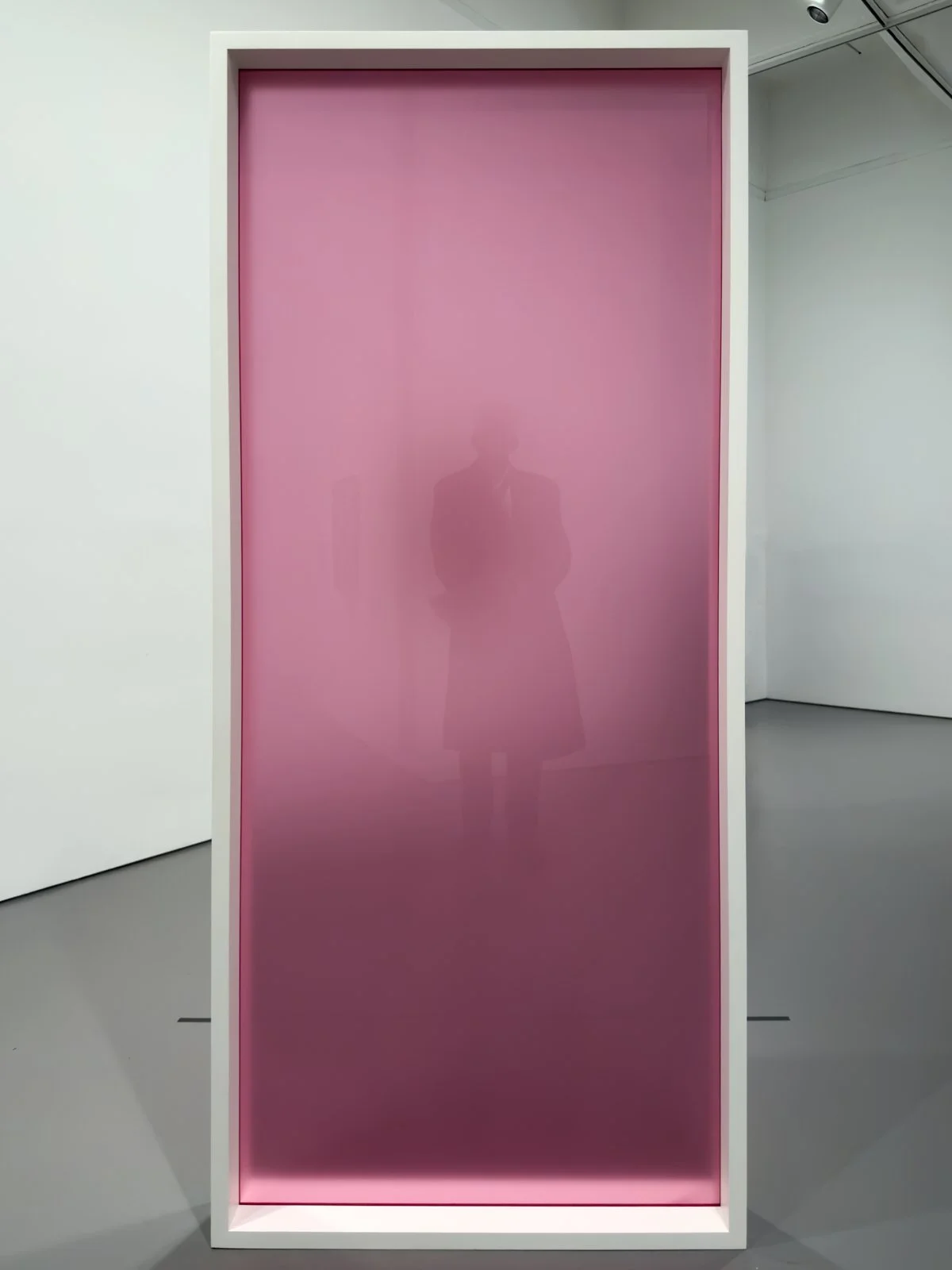
“Self Portrait in Untitled (LeWitt) #1 by Liz Deschenes, No. 1.” Taking with an iPhone.
Good shots exist everywhere and can be captured with any camera within limits. But then that is what the artist does, knows the limits of their tools and doing things within, or at the edges of, those limits. I will use the camera I have with me to capture images, but I won’t be able to capture everything with every camera or set up. I take a lot of shots of birds, this is a lot easier to do when I have access to a telephoto lens, which generally means using a camera that can accommodate a telephoto lens. However doing abstract, landscape, or street photography can be done with any type of camera, again within the limitations of the camera. Despite this, you can create amazing pieces. Use what you have to learn what you like and then add as you find you want to expand your boundaries.
Similarly I get tired of the “brand wars.” Some people act like if you shoot one brand over another that you are a superior or inferior photographer just because of the brand of camera you use. This is silly. If you can take great photos with a disposable camera, why would the brand of your “serious” camera make a difference in your ability to capture great images? It just does not matter at this point. There are so many other things that go into the selection of a camera, image quality really is not one of them at this point. All the brands do excellent jobs of capturing images. Where they differ significantly is in the layout of their controls. Finding a layout that feels comfortable and natural to you will mean more than any supposed advantage of one company’s sensors over another. One caveat, how the sensors of brands render colors are usually very different. This can be dealt with in editing, but having a sensor that gets the colors the way you like them initially can save time in editing, especially when learning editing.
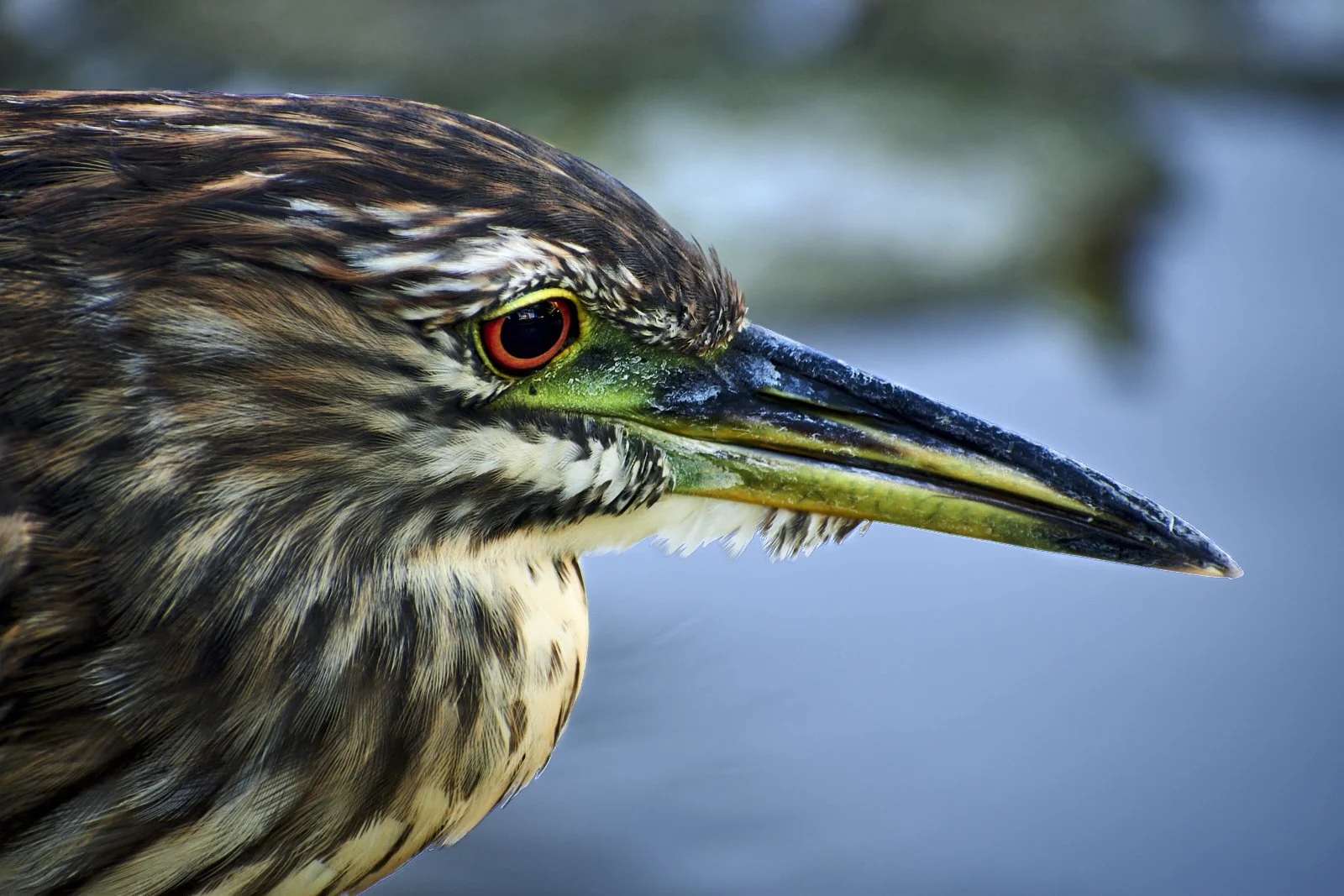
“Imature ‘Auku‘u.” Taken with a Nikon D3400, considered to be an entry level DSLR.
I will leave this here at this point. I think I will have a Part 2 on some of the discussion you come across on the “proper” way to shoot.
