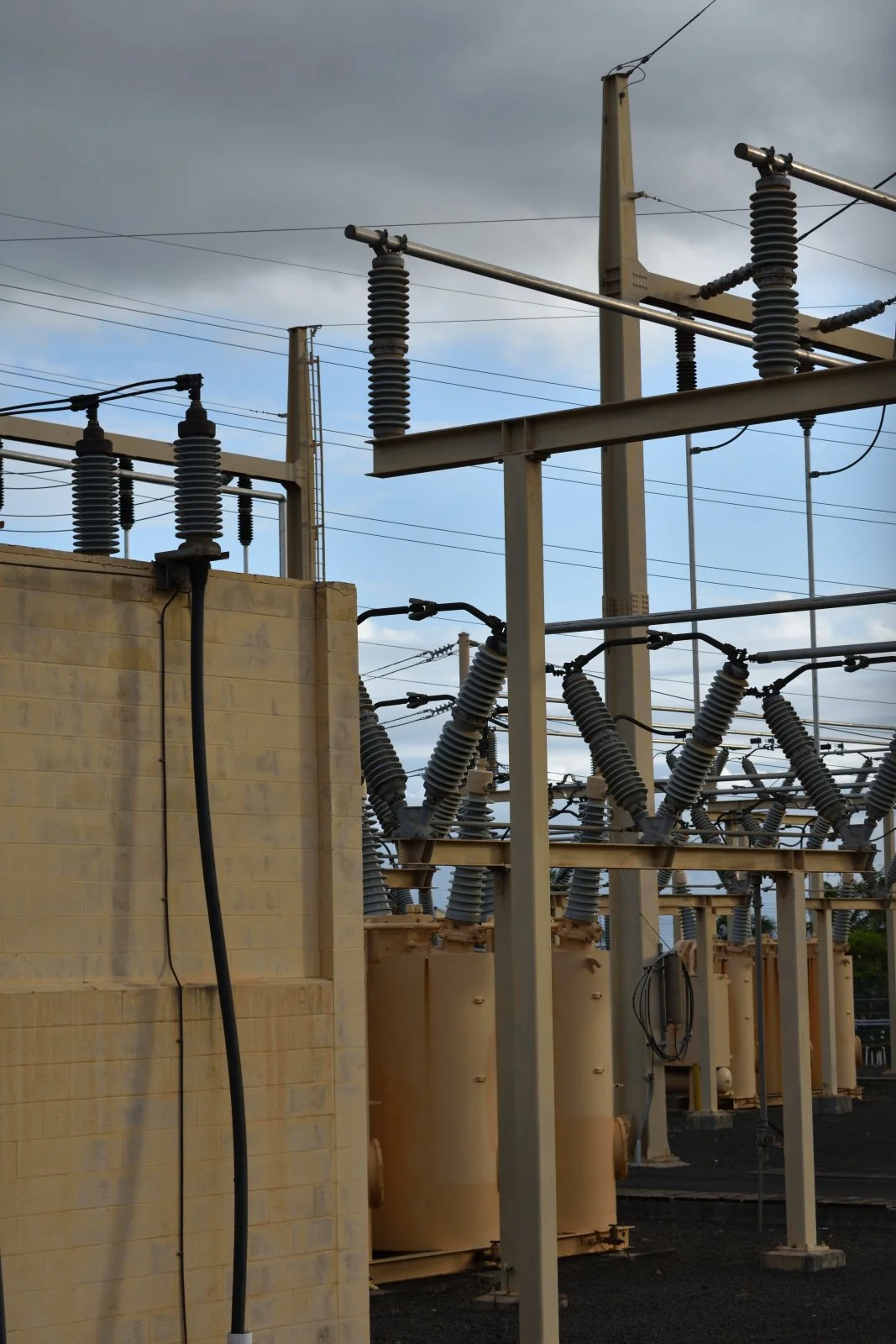
Example of one of my early shots with the Nikon D3400. When I started photography again, this time with a DSLR, I first wanted to concentrate on finding images, so I left the camera on automatic until I felt comfortable. Would I shoot this differently today? Certainly, but this, and the other photos in this portion, are straight out of the camera, no edits, and shot in auto mode.
So the last entry basically would be summed up as the best camera is the one you have with you. Great images abound and the only way to get better is to take more shots, to try new things, to look from different angles, to get on your belly—it all helps in trying to capture things in a different way. It won’t all work, and that is fine, because when it does, you get something special.
So you got your camera, you are out shooting, and you want to get better. So you start reading what other people do, how they approach photography, what they do to capture their images. And there is nothing wrong with this…until you start wondering if you are doing it right.
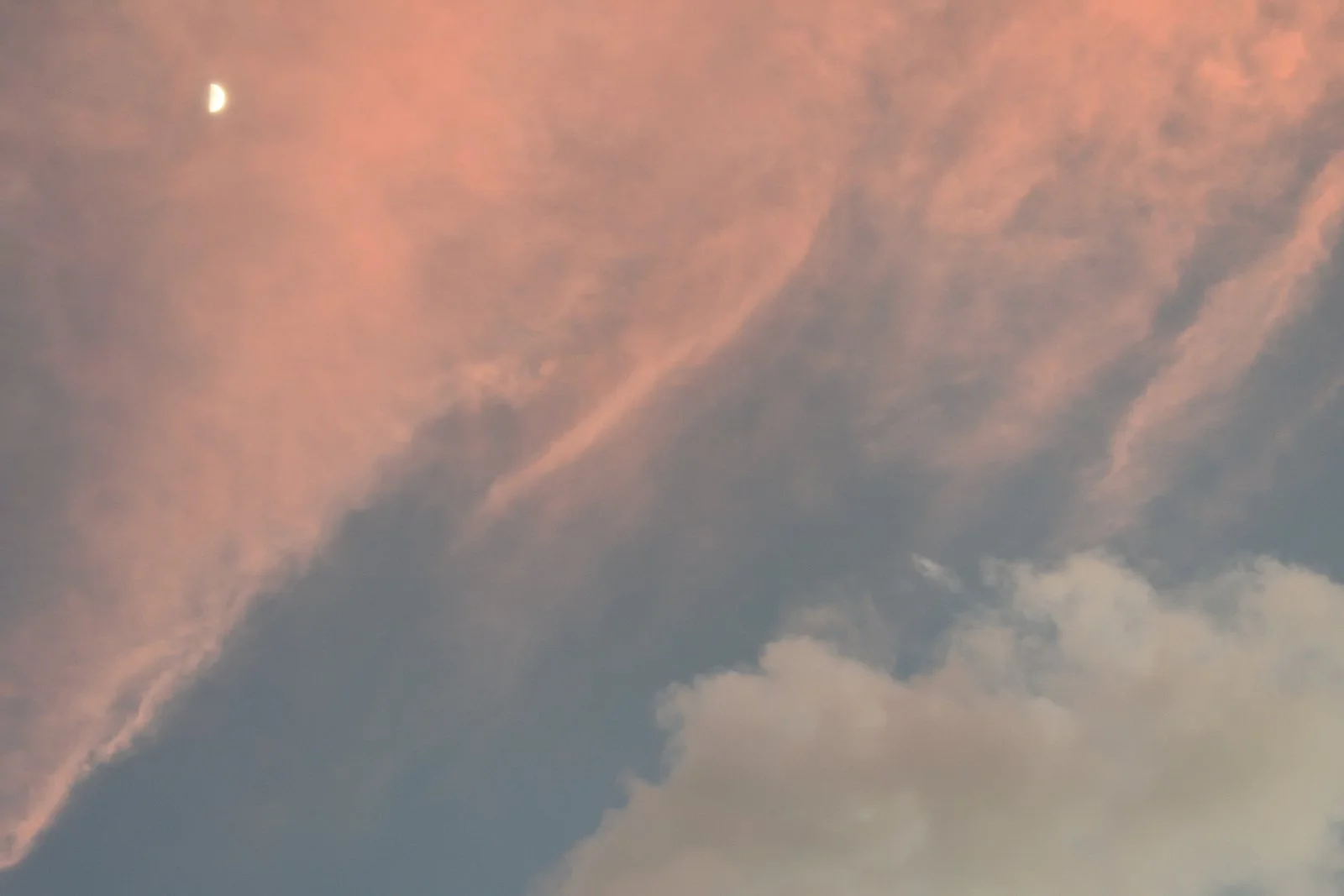
One reason to learn to shoot in Manual Mode is if you have the moon in your shot. Because the moon is so small as a part of the total sensor, the auto-exposure ends up overexposing the moon to get the “right” exposure for the total frame. Again this was shot on Auto mode with the D3400 and unedited.
First, let me reassure you, if you are out shooting and getting the shots you want, you are doing it right. Don’t let all the different ideas on about how to shoot make you think that you are doing it wrong. There are a lot of different ways to shoot and, by all means, experiment and try the different methods and find what works for you, but none of them is the “correct” way to shoot if it doesn’t work for you. But people can get awfully snobby about their way of shooting and get judgmental if you do not shoot like them.
A few years ago I was listening to an interview with a younger photographer and he said something that immediately turned me off when he said, “You aren’t a real photographer if you don’t capture it in camera.” Later in the interview he had mentioned that he did use Photoshop, but did not “do anything that you couldn’t do in a darkroom.” He limited that to cropping and straightening out the image. It also told me this person had never been in a darkroom. There is almost nothing that you can do in Photoshop that you cannot do in a darkroom. Photoshop may make things easier, but it is based on what photographers did in darkrooms. Furthermore, he was a portrait photographer and used artificial lighting and so could control his light in a way that other genres of photography cannot. There are advantages to capturing in camera, especially if you are not interested in editing your images, but it is not the only way to shoot and catching with the intention of editing later does not make anyone less a photographer.
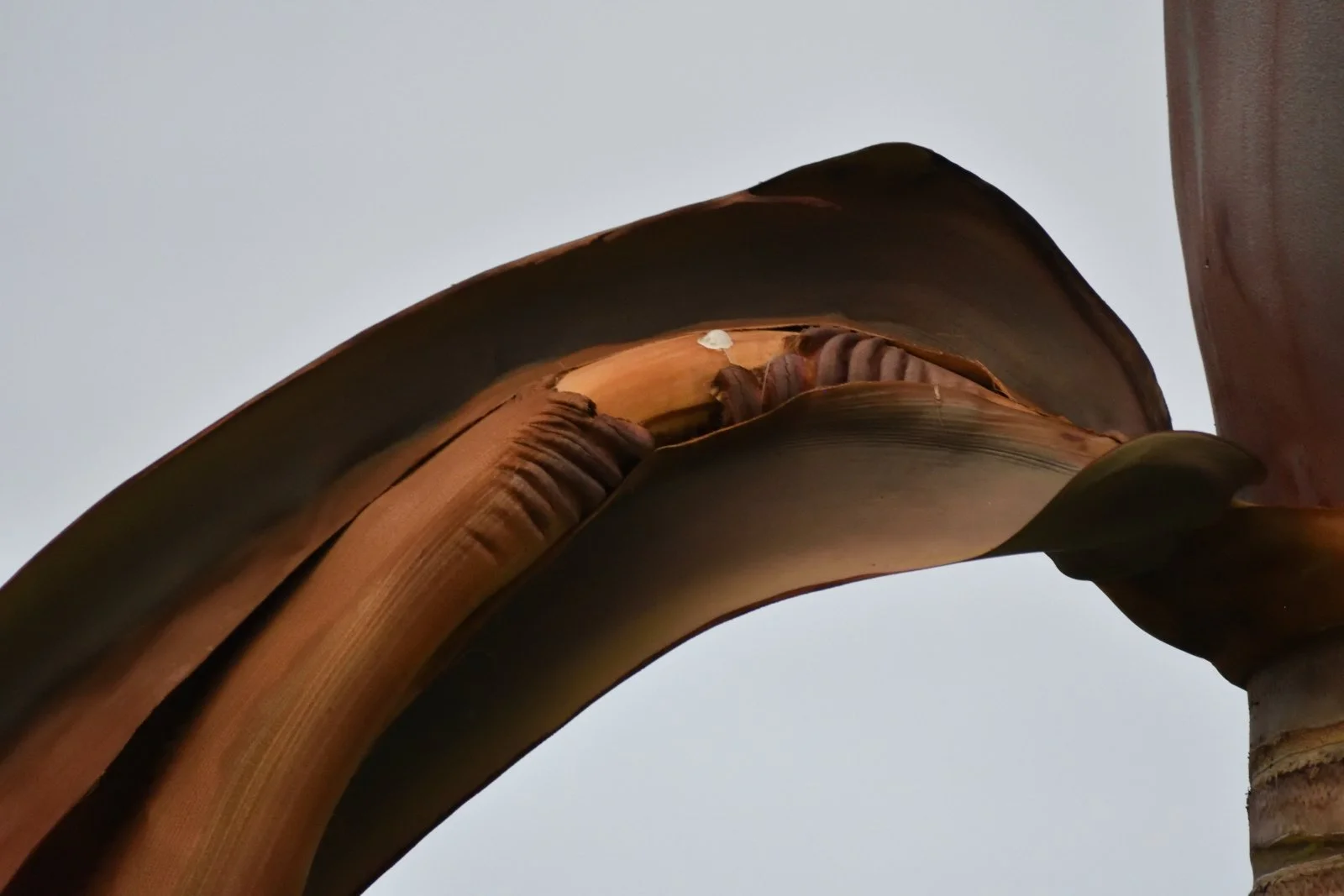
Another early shot when I was getting used to the D3400. The point at the time was to find shots and to compose them effectively, not to get into the technical details of the camera. What do you do if later you find a shot that you think has promise but you feel the exposure is slightly off from what you want? That is where editing comes in. But if you don’t want to do that for your images later, you can still make adjustments in camera that help with getting the exposure tuned to where you want it. Also most cameras have “picture modes” that allow you to customize the look of your images. Shot with a D3400 on auto mode, unedited.
Similarly, some people will say that you have to shoot in manual mode. Manual mode has its advantages, but I think it is better that you know how to shoot in all of the modes and to choose the mode for the shooting that you are doing. When starting out, keep it in automatic if you want. Let the camera figure out the exposure settings while you concentrate on composition. Eventually you will want to have more control over the exposure and learn how to use the different modes, but one does not need to shoot exclusively in one mode to be a photographer.
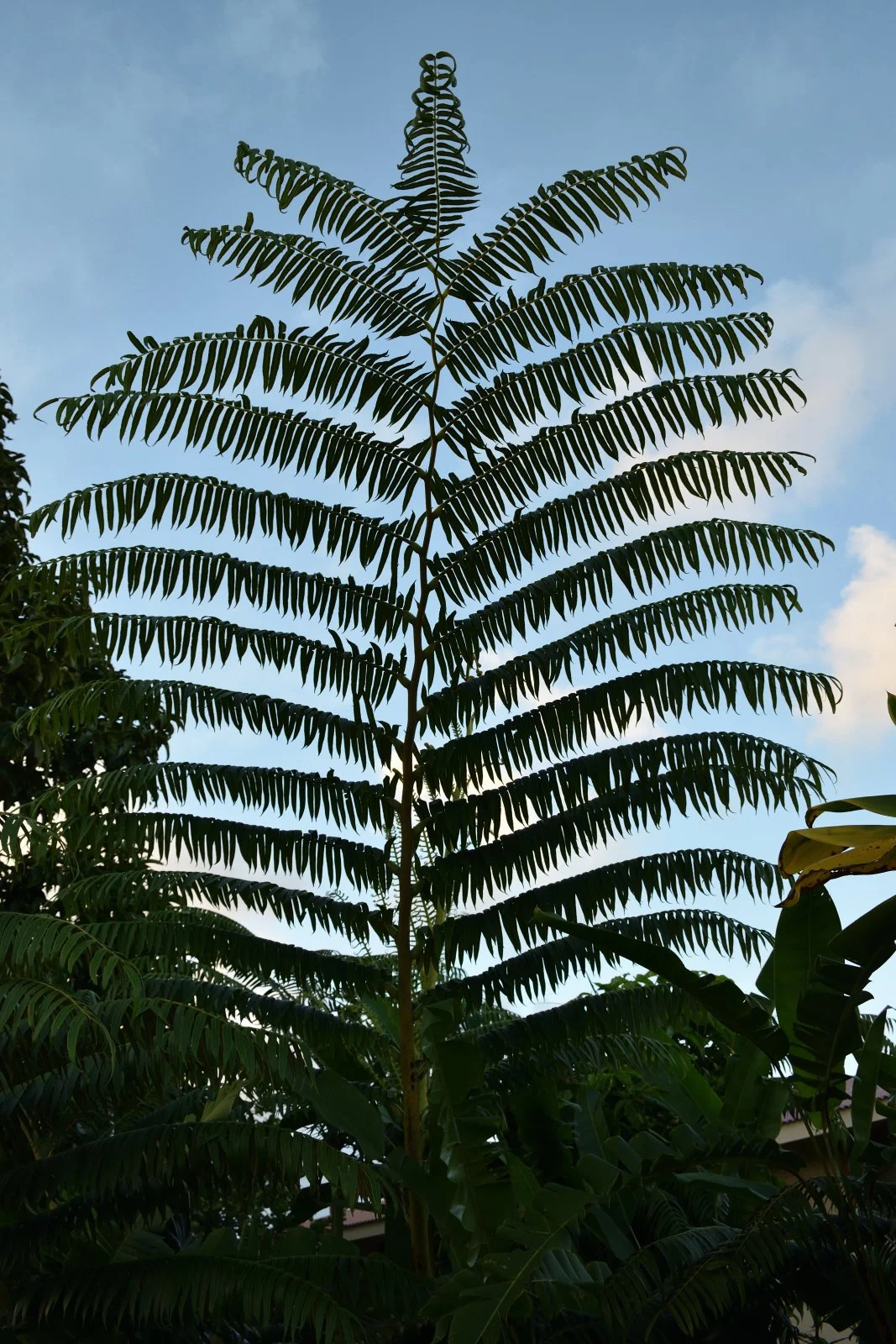
Early on you are looking for the shapes and the feelings and the stories your pictures can tell. Learning different techniques only helps in the telling of those stories and eliciting those feelings. However, finding the images comes first, refinements in technique come later. There are several things I would change in taking this image now, but it brings with it a strong silhouette. D3400 on automatic, unedited.
Go out with your camera, shoot what you want to shoot, shoot how you want to shoot, edit your shots or not—it is all up to you. Great artists are not stuck on the “right” way to do something. Great artists do what they can in order to present their vision to the world. The right way is the way that feels right to you.
