HermesA little of this, a little of that. And a little bit about each image.
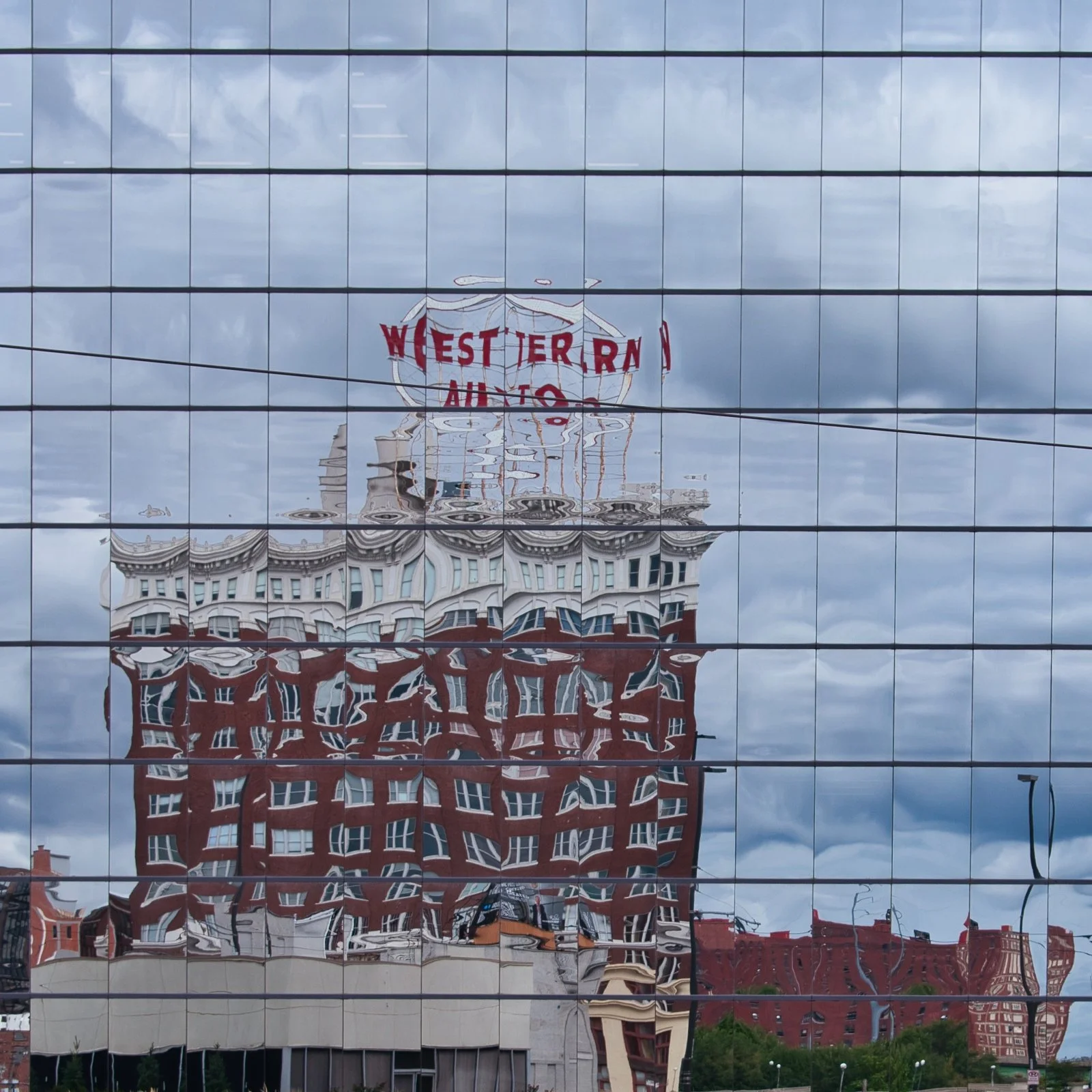
Weestterrnn Auto—Western Auto started in 1909 as a mail order auto parts store, though eventually grew to have 1,200 company-owned stores and over "associate" stores across the United States. The associate store program was the first of its kind and pioneered the way for modern day franchising. In addition to auto parts, its stores sold the iconic Western Flyer bicycle, firearms, and household appliances, to name a few. By the end of the 1950s, it was similar to Sears, which bought it in 1988 and sold it off in 1998. By 2006, all distributors were to stop using the Western Auto name. This sign sits atop the building that was the Western Auto headquarters in Kansas City, MO. Which is kind of wild when you think about it. The Wild West once included Kansas City. When my dad was transferred to Western Region Headquarters at AT&T in the 1960s we moved from Salt Lake City to … Cincinnati? Eventually they moved AT&T Western Region HQ to San Francisco, but there was a time when so much of the US West was very East.
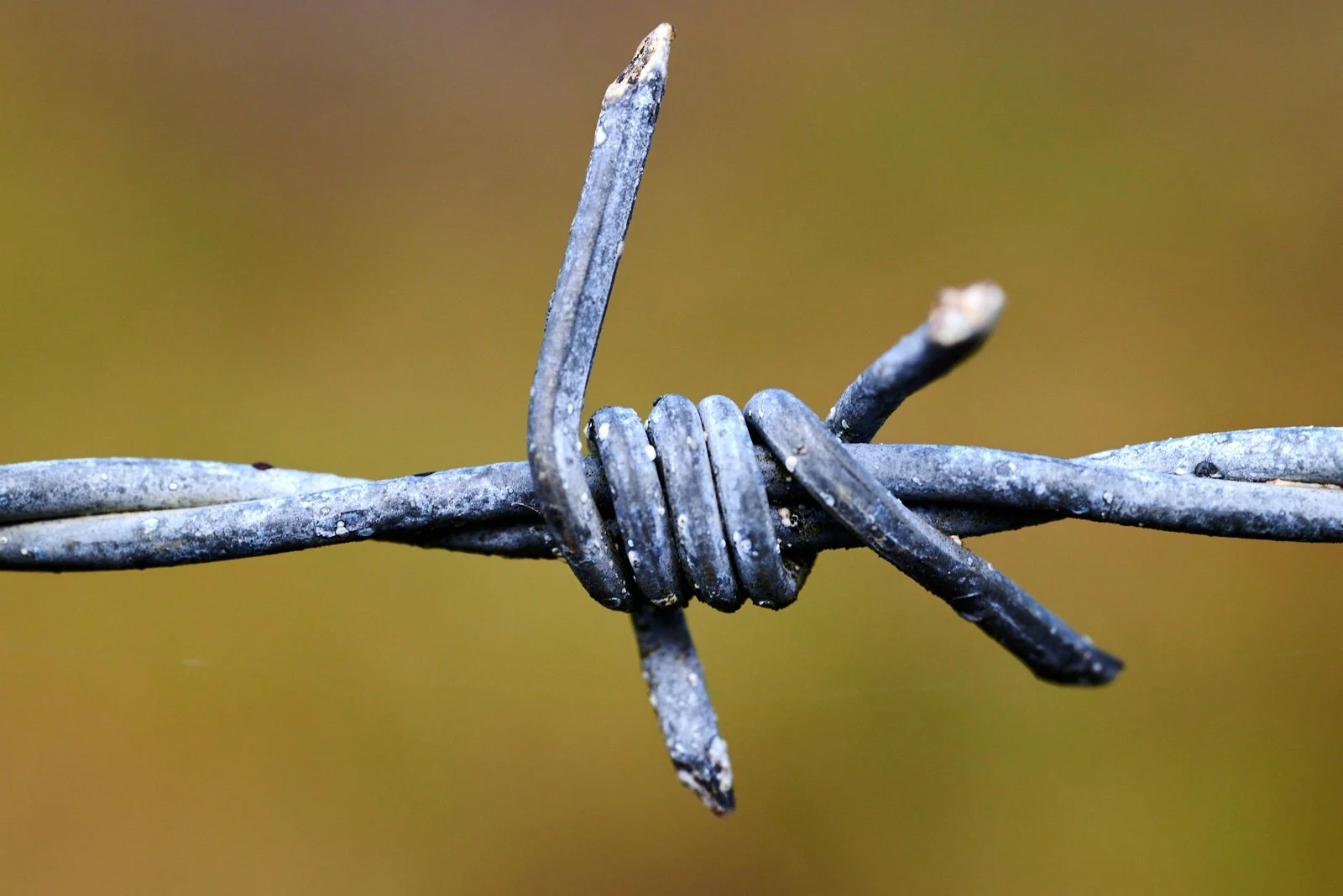
Welcome—There is an interesting history to barbed wire and its use in divvying up the U.S. West. The first U.S. patent was given to Lucien B. Smith of Kent, OH, who is regarded as the inventor of barbed wire. In 1874, Joseph F. Glidden of DeKalb, IL, received a patent for the modern invention, the style we see today. While we mostly think of the fencing as a means of keeping herds confined to their grazing areas today, that was not its original use. Instead of keeping herds confined, it was used primarily to keep animals out of crops. Soon it was crisscrossing the West, ending the Open Range period and was also used to displace Native Americans and disrupt their cultural practices.
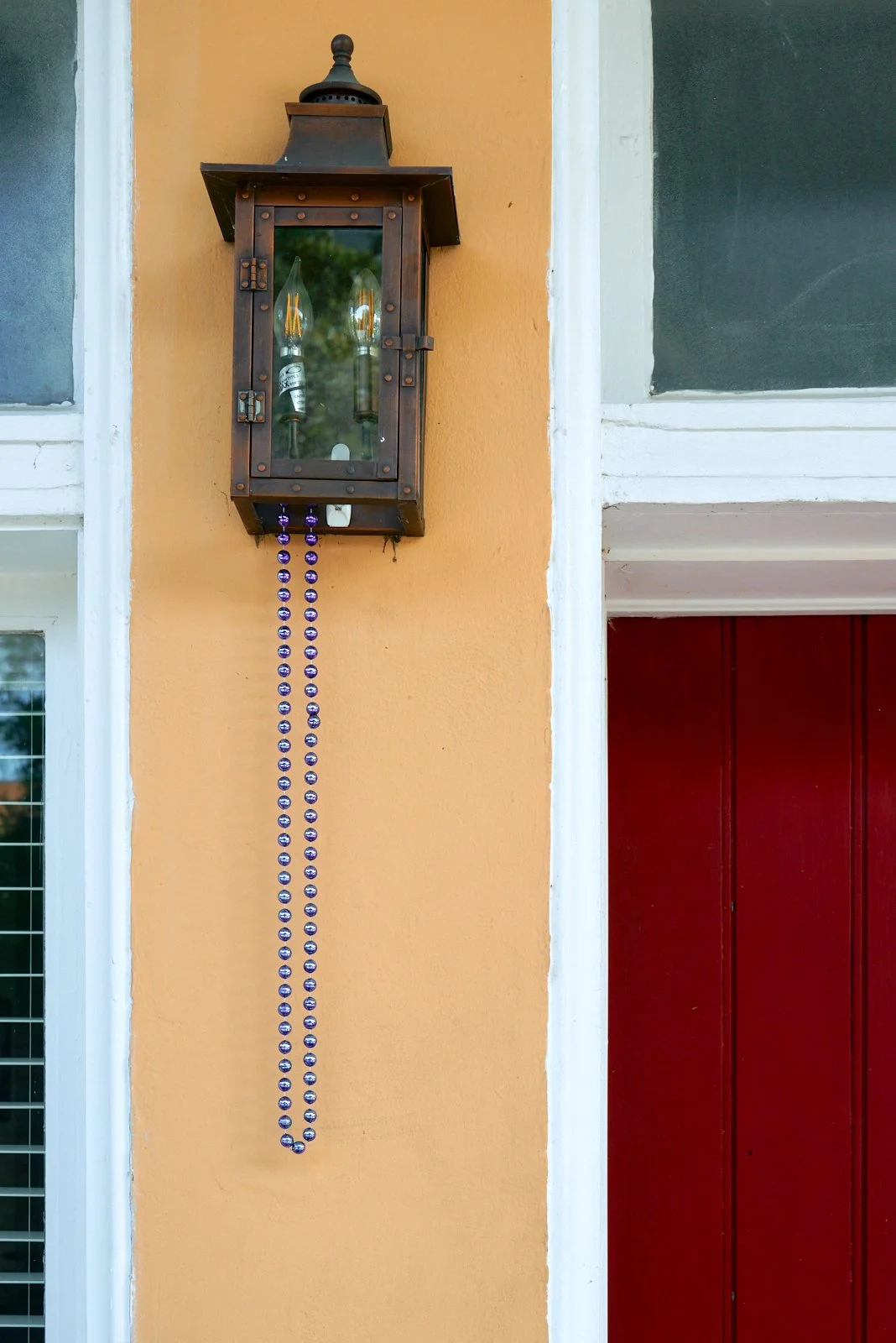
Show Me Your Lights—Throwing beads from the parade floats has been a tradition since the early 20th century when the Krewe of Rex began throwing glass beads to spectators. The tradition of "throws" goes back to the 1870s, but beads did not become common until much later. There are three colors of beads that are traditional for Mardi Gras: purple, green, and gold symbolizing justice, faith, and power, respectively.